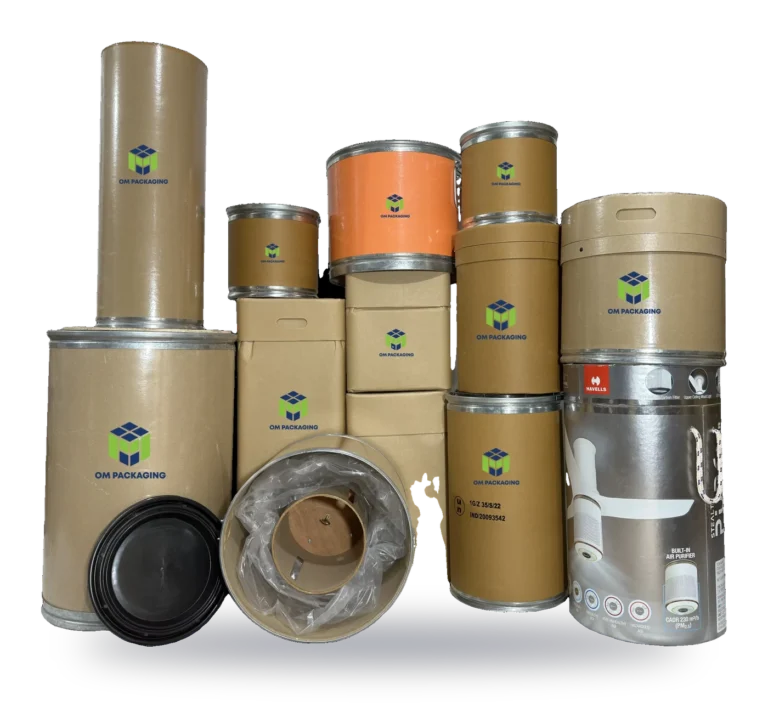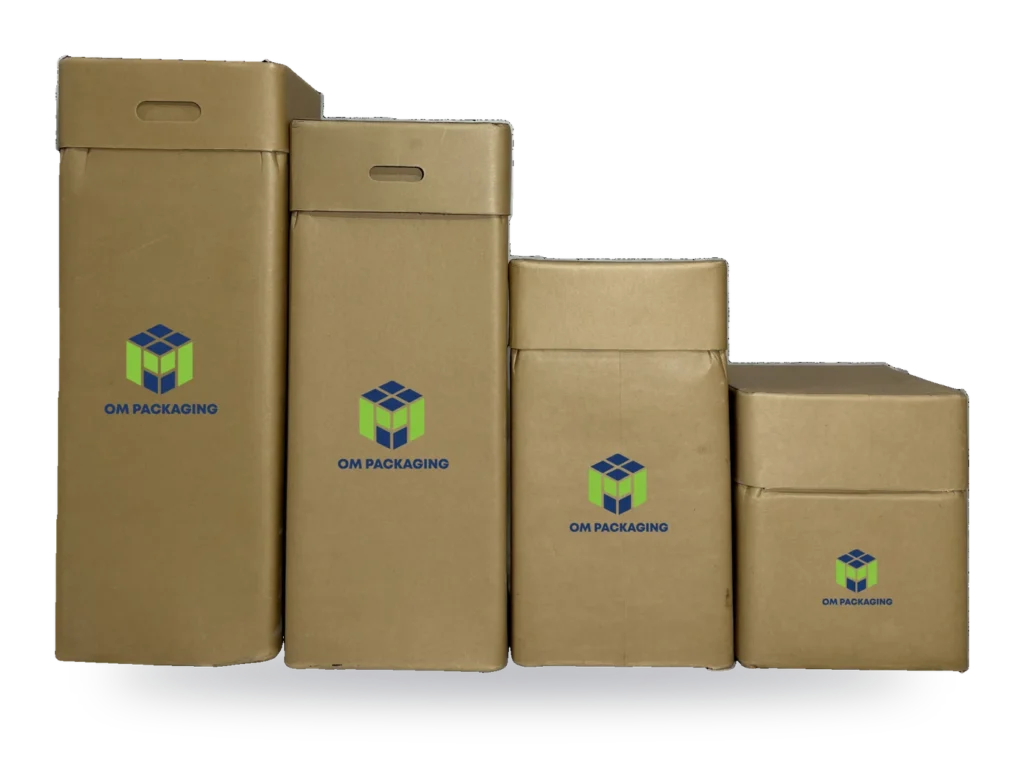
Choosing the wrong drum size wastes money twice: once on packaging and again on freight. A drum that is too large leaves empty space; one that is too small slows filling or bulges. A simple method helps you get it right first time.
Start with fill weight and bulk density
Fill weight tells you how much product goes in each drum; bulk density tells you how much space that product takes up. A light, fluffy powder needs far more volume than a dense granule of the same weight. Measure the bulk density of your product as it will actually be filled, including any settling during transport.
Allow headspace and liner space
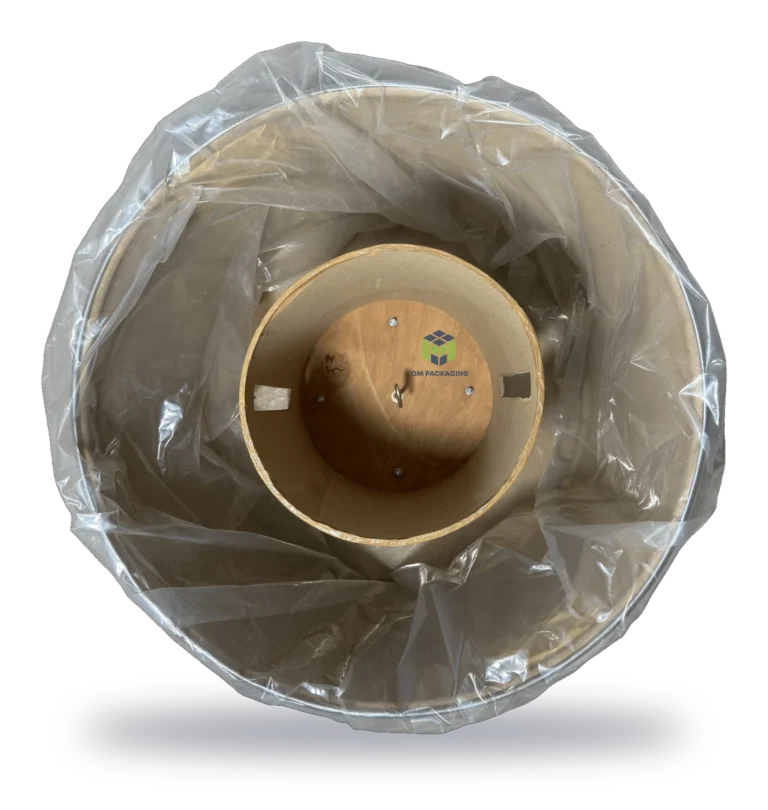
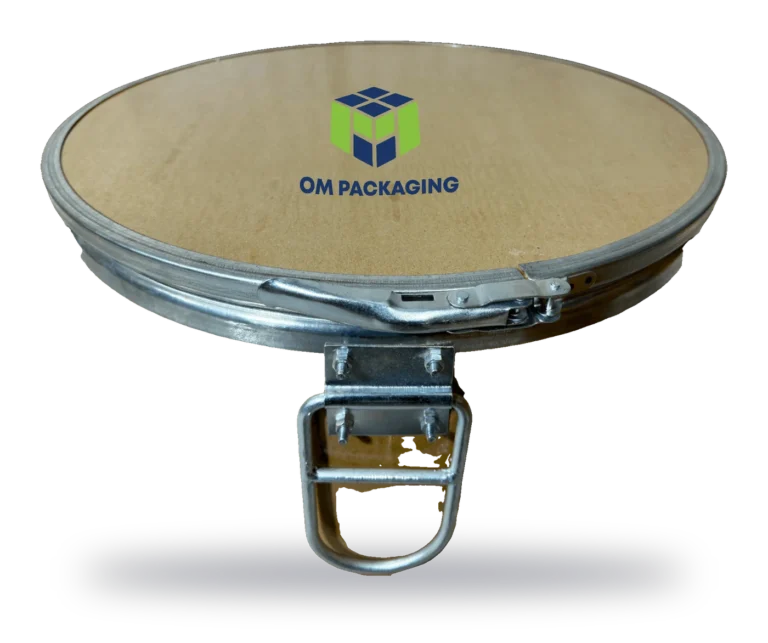
Leave room at the top for the liner to be folded and sealed and for the lid to close without pressure on the product. If you use a liner bag, its folds and seams take up space too, so add a margin to the calculated volume.
Think about handling and pallets
Heavier drums are harder to move by hand, so consider who will lift them and how. Check how many drums fit on your standard pallet and in your trucks or containers. Sometimes a slightly smaller drum gives a much better pallet pattern and lower cost per kilogram shipped.
Confirm with a sample
Once you have a shortlist, request samples and run a real filling trial. Check fill level, sealing, stacking and how the drum feels to handle. Small adjustments to height or diameter at this stage avoid expensive problems later.
A worked example
Imagine a powder with a bulk density of 0.5 kg per litre that you want to pack at 25 kg per drum. The product alone needs 50 litres of space. Add headspace for the liner fold and closure, plus a margin for settling and filling variation, and a drum of around 55 to 60 litres becomes a sensible starting point. If the same product were twice as dense, a much smaller drum would do. This is why bulk density matters as much as weight when choosing drum dimensions.
Practical checklist
- Measure bulk density as the product is actually filled
- Decide target fill weight per drum
- Add headspace for liners and closures
- Check pallet and container fit
- Confirm with a filling trial
Key takeaways
- Use bulk density, not just weight, to size drums
- Allow headspace for liners and closures
- Check pallet and container fit before finalising
Frequently asked questions
What information does a supplier need to size a drum?
Product name and form, fill weight, bulk density if known, liner needs, closure preference and how the drums will be stored and shipped.
Is a bigger drum always cheaper per kilogram?
Not always. Larger drums can be harder to handle and may fit pallets less efficiently.
Can one drum size suit several products?
Sometimes, if their bulk densities and fill weights are similar. Standardising on fewer sizes can simplify purchasing and storage, but check each product in a trial to make sure fill levels, sealing and stacking remain within safe limits.
Need help choosing?
OM Packaging has manufactured fibre drums and paper cores in Sonipat, Haryana since 1999. See request a quote, modern round fibre drum, or get a quote and our team will recommend the right specification.