A liner bag is a simple addition that can make the difference between a perfect delivery and a rejected batch. But not every product needs one, and the wrong liner adds cost without benefit.
What a liner does
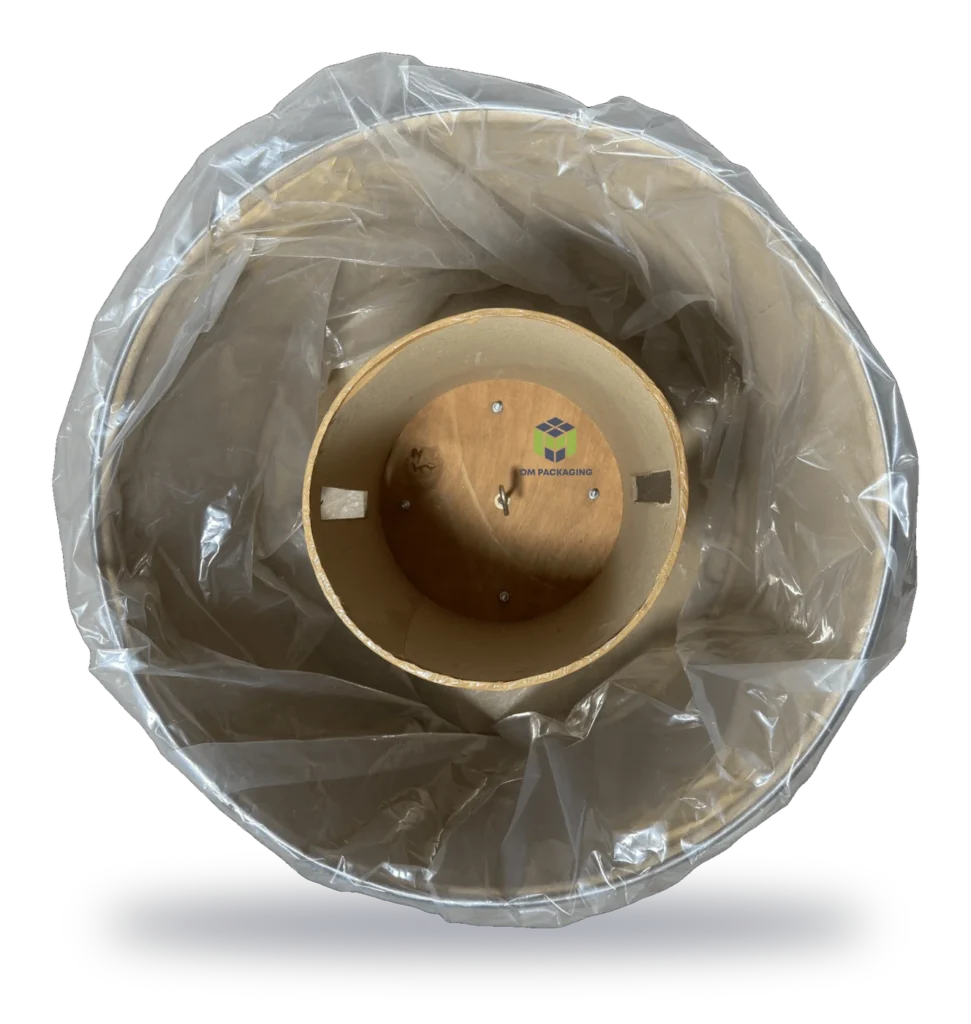
A liner bag sits inside the drum and holds the product. It creates a barrier against moisture, dust and contamination, keeps fine powders contained and makes it easier to empty the drum cleanly. It also keeps the inside of the drum clean, which helps if drums are reused.
Products that usually need liners
Hygroscopic powders, fine chemicals, pharmaceutical intermediates, food ingredients and products with strict hygiene requirements usually benefit from a liner. Products that are coarse, non-sensitive and packed in dry conditions may not need one.
Choosing liner material and size
LDPE liners are flexible and easy to seal; HDPE liners are stiffer and offer good strength at lower thickness. The liner should be large enough to fold and seal comfortably at the top without stretching. Your supplier can match liner dimensions to the drum.
Using liners correctly
Open the liner fully before filling, avoid sharp scoops that can puncture it, and seal or tie the top securely. Store spare liners in clean, dry conditions so they are not contaminated before use.
Single liners, double liners and sealing methods
Most products need only a single liner, tied or folded securely at the top. Very sensitive products, such as some pharmaceutical intermediates or highly hygroscopic chemicals, may use a double liner for extra protection and easier contamination control: the inner liner holds the product while the outer liner adds a second barrier. Liners can be closed with ties, clips or heat sealing. Heat sealing gives the best barrier but needs equipment and trained operators. Choose the simplest method that meets your quality requirements.
Practical checklist
- Assess how moisture- or contamination-sensitive the product is
- Choose LDPE or HDPE based on flexibility and strength
- Size the liner to fold and seal without stretching
- Decide on tie, clip or heat-seal closure
- Train operators to fill and seal consistently
Key takeaways
- Liners protect against moisture, dust and contamination
- Hygroscopic, food and pharma products usually need them
- Size liners to fold and seal without stretching
Frequently asked questions
Is a liner bag food-safe?
Food-contact liner bags are available. Specify your requirement and ask for supporting documentation from your supplier.
Can I use two liners?
Yes, double liners are sometimes used for extra protection with very sensitive products.
How thick should a liner be?
Thickness depends on product sensitivity, sharpness and journey length. Heavier or sharper products and longer journeys generally need thicker liners. Share your product and route details with your supplier, who can recommend a suitable thickness and size for your drums.
Need help choosing?
OM Packaging has manufactured fibre drums and paper cores in Sonipat, Haryana since 1999. See fibre drum with liner, fibre drum with liner, or get a quote and our team will recommend the right specification.