Choosing between fibre, steel and plastic drums affects freight cost, product safety and your sustainability targets. Each material has a place. The right answer depends on what you pack, how it travels and what happens to the drum after use.
Fibre drums: light, strong and recyclable
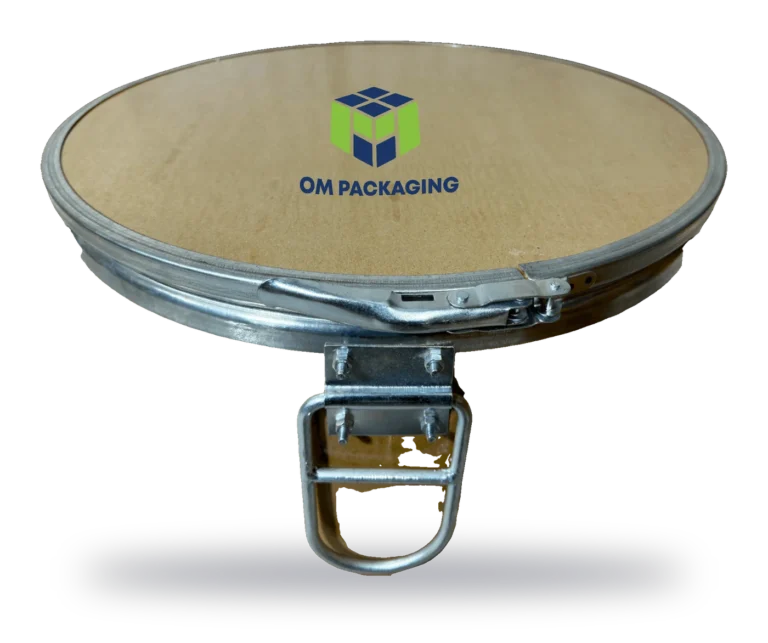
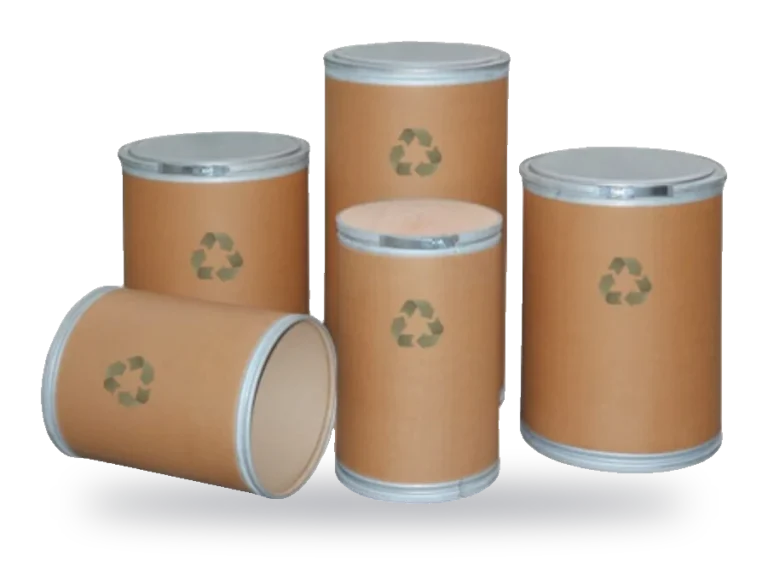
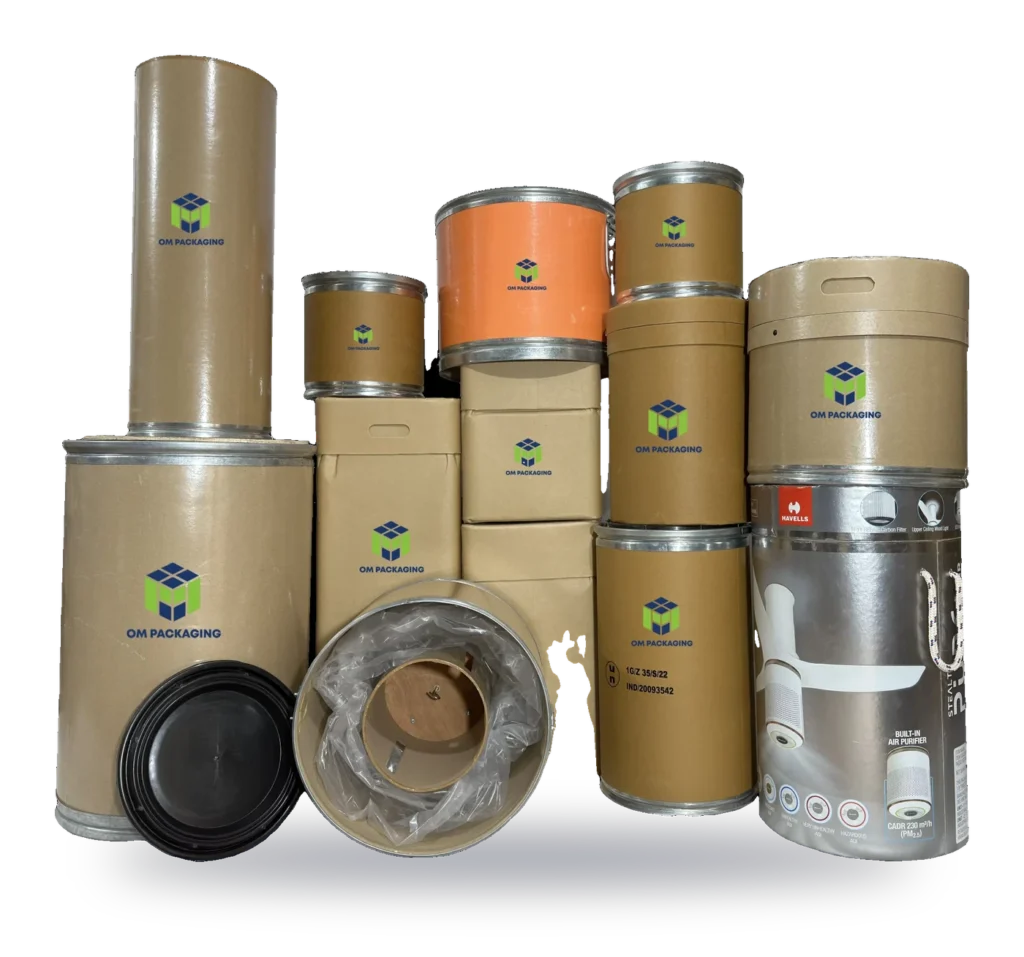
Fibre drums have a spiral-wound kraft paper body with a fibre, metal or plastic closure. They are much lighter than steel drums, which lowers freight cost on every shipment, and they stack well when specified correctly. They suit dry and semi-solid products such as powders, granules, flakes and pastes. With a liner bag they also protect moisture-sensitive materials.
Steel drums: for liquids and hazardous goods
Steel drums are heavy but very robust. They are the standard choice for many liquids, solvents and hazardous goods that require certified containers. For dry products, however, their weight and cost are often more than the job requires, and they can dent or rust in storage.
Plastic drums: chemical resistance for liquids
HDPE drums resist many chemicals and are common for liquids and wet products. They are reusable but add plastic to the supply chain, and recycling depends on local collection. For dry goods, a fibre drum with a thin liner usually uses far less plastic.
How to decide
Start with the product: liquids generally need steel or plastic; dry and semi-solid products are usually best in fibre. Then consider regulation, transport route, stacking height and end-of-life handling. Ask your supplier for samples and test filling, sealing and handling in your own facility before committing.
Comparing total cost, not just price
A steel drum may look durable, but its weight adds freight cost on every trip, and empty steel drums take the same space on the return journey as full ones. Plastic drums are lighter than steel but add plastic to your supply chain and can be difficult to recycle in some regions. Fibre drums sit in the middle on purchase price, yet often deliver the lowest total cost for dry products because of their low tare weight, good stacking strength and simple disposal. The fairest comparison adds packaging price, freight share, damage risk and end-of-life handling per kilogram of product delivered.
Practical checklist
- List the products you pack and whether each is liquid, dry or semi-solid
- Check regulatory or customer requirements for each product
- Compare tare weights and pallet patterns for each container type
- Calculate cost per kilogram delivered, including freight
- Trial the preferred option on a real shipment
Key takeaways
- Fibre drums suit dry and semi-solid products and cut freight weight
- Steel and plastic drums remain the choice for most liquids and certified hazardous goods
- Test samples in your own process before switching
Frequently asked questions
Are fibre drums as strong as steel drums?
For dry products, a correctly specified fibre drum offers excellent stacking strength at a fraction of the weight. Steel is stronger against impact, but that extra strength is rarely needed for powders and granules.
Can fibre drums carry liquids?
Standard fibre drums are not designed for free-flowing liquids. They are best for dry, semi-solid and paste products.
Which drum is most sustainable?
For dry and semi-solid products, fibre drums are usually the most sustainable choice because the body is paper-based, recyclable and much lighter to transport. Steel and plastic remain necessary for many liquids, so the best answer depends on what you pack and how it travels.
Need help choosing?
OM Packaging has manufactured fibre drums and paper cores in Sonipat, Haryana since 1999. See sustainable packaging solutions, our fibre drum range, or get a quote and our team will recommend the right specification.