Many businesses want to use less plastic but worry about protecting their products. A step-by-step approach makes progress without risk.
Map your current packaging
List every packaging item, its material and annual volume. This shows where plastic use is concentrated.
Target easy wins first
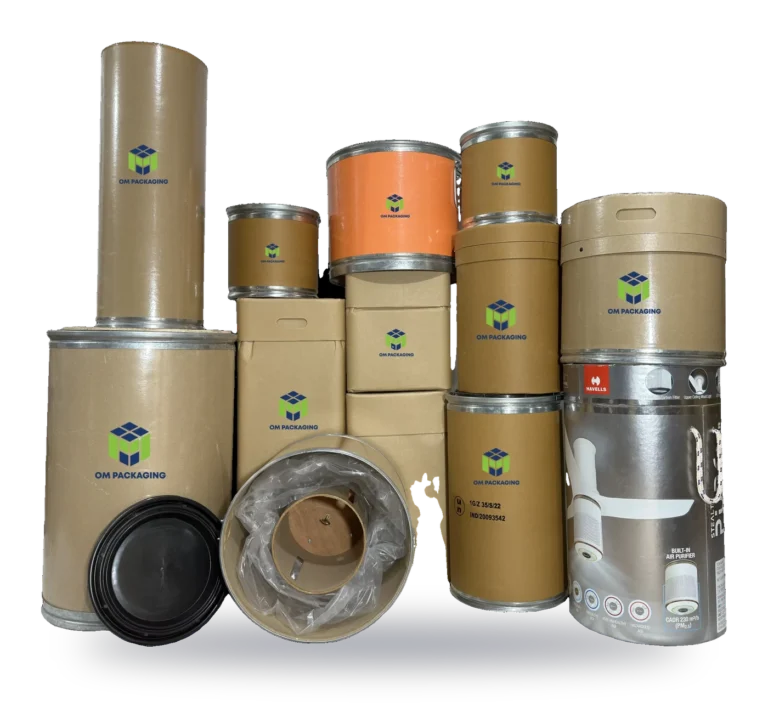
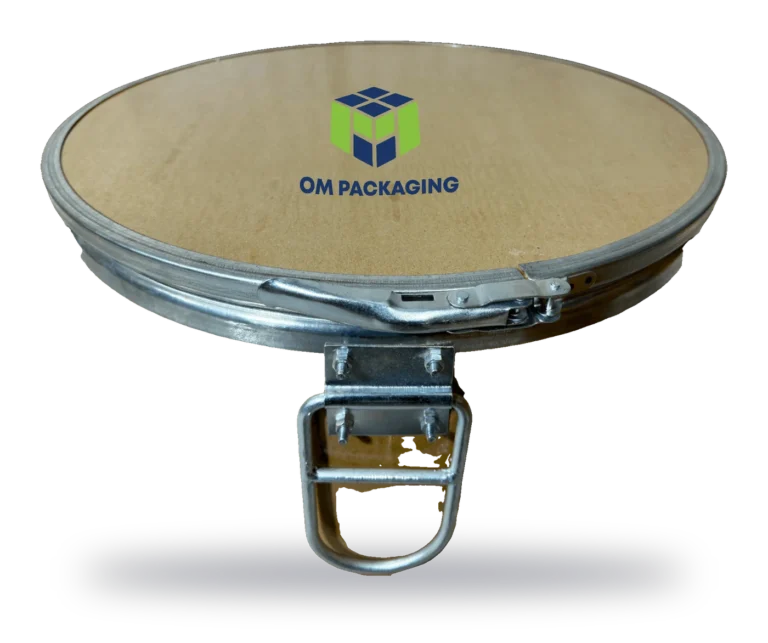
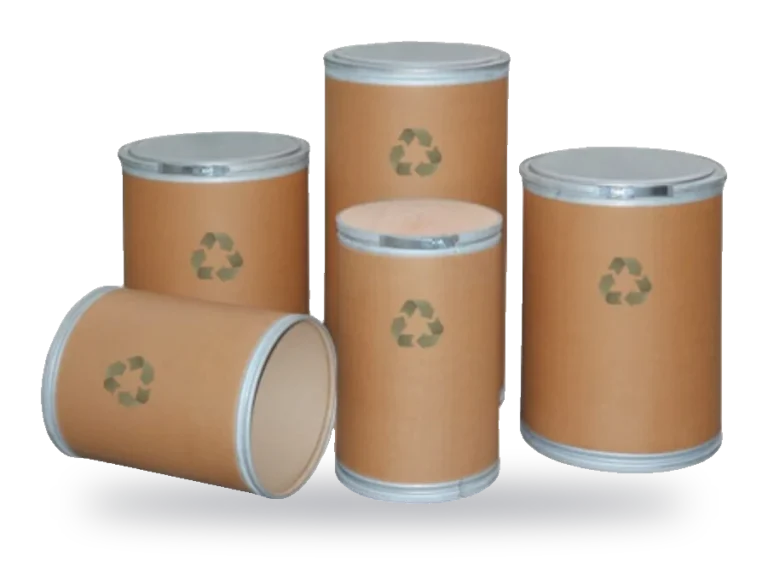
Dry products in plastic containers are often good candidates for fibre drums with thin liners.
Trial and measure
Run trials with alternative packaging and measure damage rates, handling and cost.
Report progress
Track reductions over time and share them with customers who increasingly ask about packaging.
Communicating your progress
Customers, investors and regulators increasingly ask about packaging. Once you have reduced plastic, explain what changed and why, with clear numbers such as kilograms of plastic avoided per year. Avoid vague claims and keep records that support what you say. Sharing honest progress builds trust and encourages others in your supply chain to follow.
Practical checklist
- Record baseline plastic use
- Measure reductions after each change
- Use clear, specific numbers
- Avoid vague environmental claims
- Share progress with customers
Key takeaways
- Map materials and volumes first
- Start with dry products in plastic containers
- Trial, measure and report
Frequently asked questions
Can fibre drums replace plastic drums?
For many dry products, yes, often with a thin liner for moisture protection.
Will switching affect protection?
Not when packaging is properly specified and trialled.
Is paper packaging always better than plastic?
Not always. The best choice depends on the product and its protection needs. For many dry products, fibre drums with minimal liners reduce plastic while maintaining protection.
Need help choosing?
OM Packaging has manufactured fibre drums and paper cores in Sonipat, Haryana since 1999. See sustainable packaging solutions, or get a quote and our team will recommend the right specification.